

The Anti-Inflammatory Foods I Eat Every Week (And Why They Matter)
Last Saturday, as I stood in my kitchen prepping veggies for the week, I remembered the time I used to feel constantly sluggish and bloated. I used to think that was just part of being a busy mom. But since then, I’ve learned how profoundly my food choices impact my overall health—especially when it comes to inflammation. Sound familiar?
In my journey to better health, I discovered the power of anti-inflammatory foods, which help reduce inflammation in the body, a condition that can lead to numerous health issues like fatigue, joint pain, and even chronic diseases. As I swapped processed foods for nutrient-dense options, I felt a shift. I had more energy, clearer skin, and manageable moods. By the end of this post, I’ll share my go-to anti-inflammatory foods that I incorporate weekly—and why they might just become your new favorites.
What Are Anti-Inflammatory Foods?
First off, let’s clarify what we mean by “anti-inflammatory foods.” Simply put, these are foods that help combat inflammation—your body’s natural response to injury or infection, but can become harmful when chronic. This category includes a variety of fruits, vegetables, whole grains, healthy fats, and lean proteins.
As someone who studied nutrition at Oregon State University and later became a certified health coach through the Institute for Integrative Nutrition, I’ve seen how adopting an anti-inflammatory diet can benefit many women juggling work and family life. In my health coaching practice, I’ve worked with dozens of women who’ve found relief from chronic fatigue and irritability just by making small food changes.
1. Berries: Nature’s Sweet Antioxidants
When I’m at the grocery store, I practically throw berries into my cart. They are small but mighty! Blueberries, strawberries, and raspberries are packed with antioxidants called anthocyanins, which are key to reducing inflammation. A 2019 study published in the Journal of Clinical Nutrition found that consuming berries can lower inflammatory markers in the body.
I love to toss a handful of mixed berries into my oat milk lattes for breakfast or as an afternoon snack while hustling between my daughters’ activities. Berry bliss let me tell you!
2. Leafy Greens: The Power of Plants
Spinach, kale, and collard greens are staple items in my Sunday meal prep. These leafy greens are rich in vitamins A, C, and K, and they contain a variety of phytochemicals that help reduce inflammation. Plus, they’re incredibly versatile! You can toss them in salads, smoothies, or sauté them as a side dish.
Here’s a little tip: If cooking greens seems like too much work, try mixing them into a morning smoothie with some frozen berries and almond milk for a quick nutrient boost. Your body will thank you!
Quick Healthy Tip:
- Try adding leafy greens to pasta sauces to sneak in extra nutrients.
- Make a big batch of green smoothie packs to pull out and blend on busy mornings.
But here’s where it gets interesting—many women don’t realize that their gut health is connected to inflammation. Including plenty of fiber from greens helps maintain a healthy gut microbiome.
3. Fatty Fish: The Ocean’s Gold
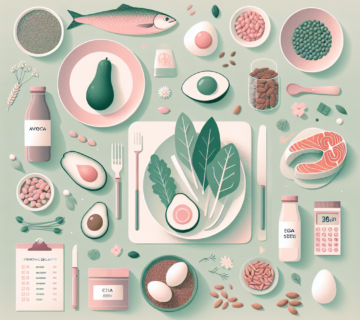
Salmon and sardines are my go-to picks for how to add healthy omega-3 fatty acids to my plate. Omega-3s are known for their anti-inflammatory properties that can help reduce the risk of diseases like arthritis and even heart disease. A 2020 study published in Nutrients highlighted how fish oil was highly effective in reducing inflammatory markers.
I usually bake a big batch of salmon on Sundays, and it’s the perfect meal prep starter for busy weeknight dinners. Served it with roasted vegetables, and you’ve got a deliciously easy meal that keeps inflammation at bay!
4. Nuts and Seeds: Snack Your Way to Health
Walnuts, almonds, and chia seeds are at the forefront of my go-to snack list. They’re rich in healthy fats, protein, and fiber, which can help to regulate inflammation. Plus, they’re easy to pack for a quick grab when I’m running out the door with Biscuit in tow! A study from American Journal of Clinical Nutrition found that including nuts in your diet can help lower inflammation levels.
One of my favorite snacks is a tablespoon of almond butter on an apple. It’s quick, satisfying, and I don’t feel like I’ve derailed from my nutrition goals.
5. Turmeric: The Golden Spice with a Kick
This one’s a game-changer. Turmeric, especially its active compound curcumin, is recognized for its potent anti-inflammatory effects. I sprinkle turmeric in my soups, smoothies, and even on roasted veggies. A study in Journal of Medicinal Food highlighted how curcumin can be as effective as some anti-inflammatory medications.
If you’re new to turmeric, start with a golden milk latte before bed—I promise you won’t look back. It’s warm, soothing, and makes you feel like you’re doing something good for your body.
Golden Milk Recipe:
Mix one cup of warmed oat milk, a teaspoon of turmeric, a sprinkle of cinnamon, and a dash of black pepper (this helps with absorption). Sweeten with honey if desired. Sip and enjoy!
6. Whole Grains: The Fiber-Rich Fuel
Switching from refined grains to whole grains like brown rice, quinoa, and oats was a real game-changer in my diet. Whole grains are high in fiber, which helps regulate inflammation in the body. A 2021 study published in Nutrients found that whole grains have a clear association with reduced inflammatory markers.
I usually cook a big batch of quinoa every Sunday to use throughout the week. It’s a fantastic base for salads or bowls, and the girls love it too!
Bonus: Pomegranate and Ginger
If I had room to add a bonus category, I’d say pomegranates and ginger deserve a mention! Pomegranates have high levels of polyphenols, which are anti-inflammatory antioxidants. I often toss pomegranate seeds into yogurt or salads for a pop of flavor and health benefits.
Ginger is another fantastic spice that I love to use, especially in tea or smoothies. It has potent anti-inflammatory properties and can help with digestion—perfect for those busy days when nothing seems right.
Final Thoughts
Switching to an anti-inflammatory diet doesn’t have to be overwhelming. By incorporating just a few of these foods into your weekly routine, you can start to feel the benefits in your overall energy and mood. Remember, you don’t have to get it perfect. You just have to start—and I promise your body will thank you.
So, what are you waiting for? Next time you hit the grocery store, throw a few of these anti-inflammatory foods into your cart and see how you feel after a week of good choices. You’ve got this!
The content on this blog is for informational purposes only and does not constitute medical advice. Always consult a qualified healthcare provider before making changes to your diet, exercise routine, or health regimen. Sara Mitchell is a certified health coach, not a licensed medical doctor.





)
No comment