
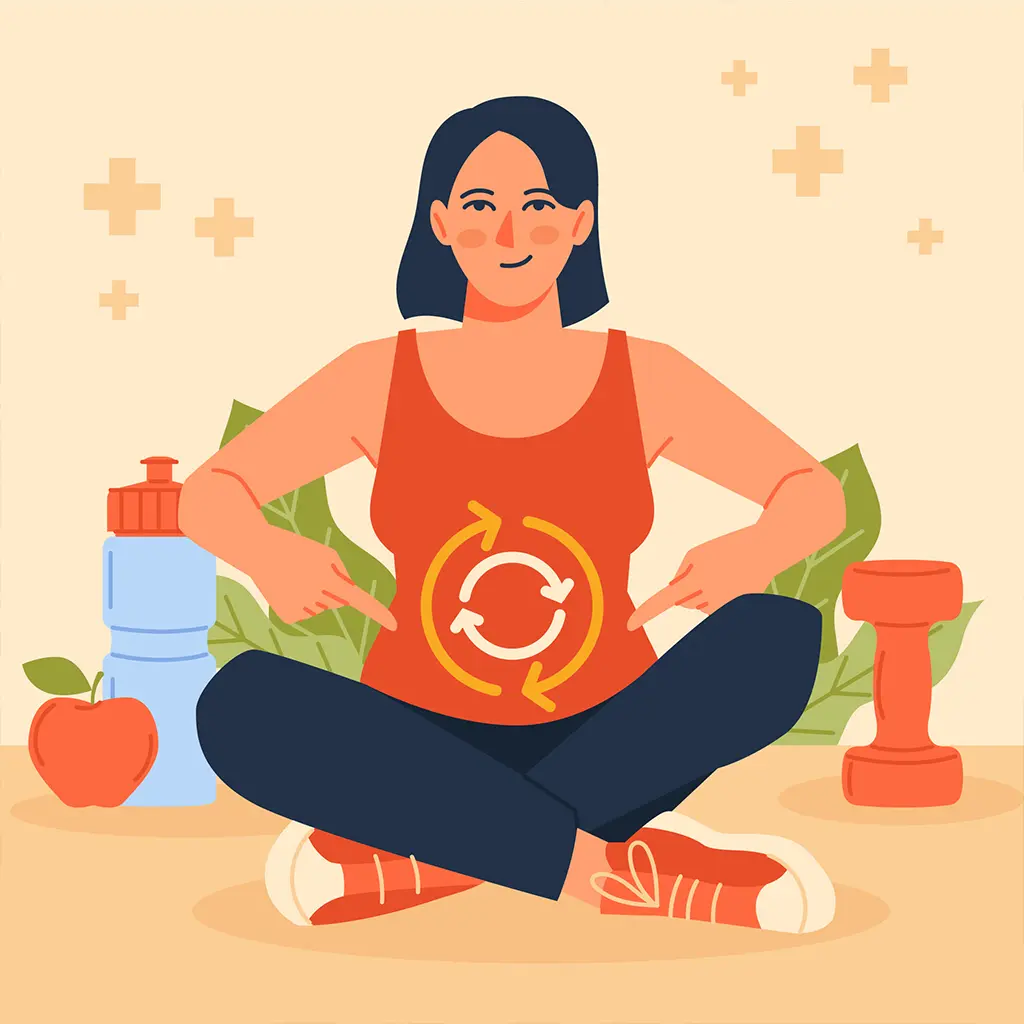
The Gut-Hormone Connection: Why Your Digestion Affects Everything
Last Wednesday, after overzealously enjoying a spicy taco feast, I found myself curled up on the couch, regretting my life choices. I was bloated, tired, and irritable — and it got me thinking about the fascinating but often overlooked relationship between gut health and hormones. Sound familiar?
Your gut is often called your “second brain,” and for good reason. The health of your gut directly impacts your hormones, which in turn affects your whole body. Today, let’s explore how these two systems are connected and why you should pay attention to your gut health for the sake of your overall well-being. By the end of this post, I’ll share the surprising way that improving your digestion transformed my mood and energy levels — and how it can do the same for you.
What Is the Gut-Hormone Connection?
To put it simply, the gut-hormone connection refers to how your digestive health influences your hormonal balance. Your gut microbiome, the diverse community of bacteria living in your intestines, plays a key role in producing and regulating several hormones. For example, gut bacteria help produce serotonin, a neurotransmitter that regulates mood and can make you feel happy. This connection is especially crucial for women, as hormonal imbalances can lead to a range of health issues.
In my health coaching practice, I’ve seen this pattern constantly. Many women struggle with fatigue, mood swings, and digestive issues — and connecting these dots can feel overwhelming. But with a little knowledge, you can take actionable steps to improve both your gut health and hormonal balance.
Why Gut Health Is Essential for Hormonal Balance
The gut is responsible for more than just digestion; it also influences how effectively your body absorbs nutrients, eliminates toxins, and regulates hormone levels. Here are some core reasons why maintaining good gut health is crucial for hormonal balance:
- Nutrient Absorption: A healthy gut absorbs nutrients from the foods you eat. If your gut is inflamed or imbalanced, it may not absorb these nutrients effectively, leading to deficiency-related hormonal issues.
- Inflammation Regulation: Chronic inflammation in the gut can cause an imbalance in hormones, leading to issues like insulin resistance, which is linked to weight gain and other metabolic disorders.
- Detoxification: The gut is involved in eliminating excess hormones from your body. A compromised gut can hinder this process, causing hormonal levels to skyrocket.
In fact, a 2018 study published in the Journal of Clinical Endocrinology and Metabolism found that certain gut bacteria are directly involved in estrogen metabolism. This shows just how intertwined our digestive health is with hormonal regulation.
How Imbalances in Your Gut Affect Hormones
When your gut microbiome is out of balance, it can lead to hormonal dysregulation. Here are a few ways gut imbalances can manifest in hormonal issues:
1. Estrogen Dominance
If your gut has trouble breaking down and eliminating excess estrogen, it can lead to a condition known as estrogen dominance. This imbalance may contribute to painful periods, mood swings, and even weight gain. A diverse gut microbiome promotes better estrogen metabolism, so focusing on gut health can help mitigate these symptoms.
2. Cortisol and Stress
We’ve all felt it — stress affects our digestion. When you’re stressed, your body produces cortisol, a hormone that can slow digestion. High cortisol levels from chronic stress can also negatively impact gut health. It’s a vicious cycle: poor gut health can lead to increased stress responses, which further exacerbate digestive issues. It’s why I insist on daily morning walks with Biscuit — that little break helps lower my cortisol levels and has made a world of difference in how I feel.
3. Insulin Resistance
Gut imbalances can also lead to insulin resistance, a condition where your cells don’t respond well to insulin, making it hard for your body to use glucose for energy. This hormonal imbalance can contribute to weight gain and fatigue. In fact, research indicates that a healthy gut microbiome can help improve insulin sensitivity.
That brings us to the part many people completely overlook: the importance of fiber and fermented foods in promoting a happy gut.
How to Support Your Gut Health for Hormonal Balance
Now that you understand the gut-hormone connection, let’s talk about actionable steps you can take to improve both. Here are five strategies I’ve implemented to support my gut health and hormone balance:
- Focus on Fiber: Eating a varied diet rich in fiber can promote a healthy gut. Aim for fruits, vegetables, whole grains, nuts, and seeds. My go-to breakfast often includes oats topped with fresh fruit — it keeps my gut happy!
- Add Fermented Foods: Incorporating foods like yogurt, kefir, sauerkraut, and kimchi can introduce beneficial bacteria into your gut. After my taco ordeal, I found that a serving of yogurt helped soothe my digestive upset and improved my mood.
- Stay Hydrated: Water plays a critical role in digestion. Make sure you’re drinking enough throughout the day, particularly if you’re eating fiber-rich foods.
- Reduce Processed Foods: Processed and sugary foods can harm your gut microbiome and lead to inflammation. I’m not saying you have to quit cold turkey, but try to limit these foods for better overall health.
- Prioritize Sleep: Poor sleep can negatively affect your gut health. Aim for consistent sleep to keep your gut and hormones in check. When I ensure a good night’s sleep, not only do I wake up feeling refreshed, but my cravings also tend to be more balanced.
Implementing these strategies might feel overwhelming, but start small. Change one habit at a time, and you’ll find that the ripple effects can enhance your overall well-being.
The Bottom Line
Your gut health and hormone levels are deeply intertwined. By focusing on improving your digestion, you can positively influence your hormones — which can transform how you feel both physically and mentally. You don’t have to get it perfect; you just have to start!
Whether you’re a busy mom like me trying to navigate life with two little girls or simply someone looking to improve their health, remember: small changes can lead to big transformations. Share your journey and any tips you discover along the way with your friends — and let’s prioritize our health together!


No comment